












Dead Man at the Bank: Ohio Incident and Financial Fraud
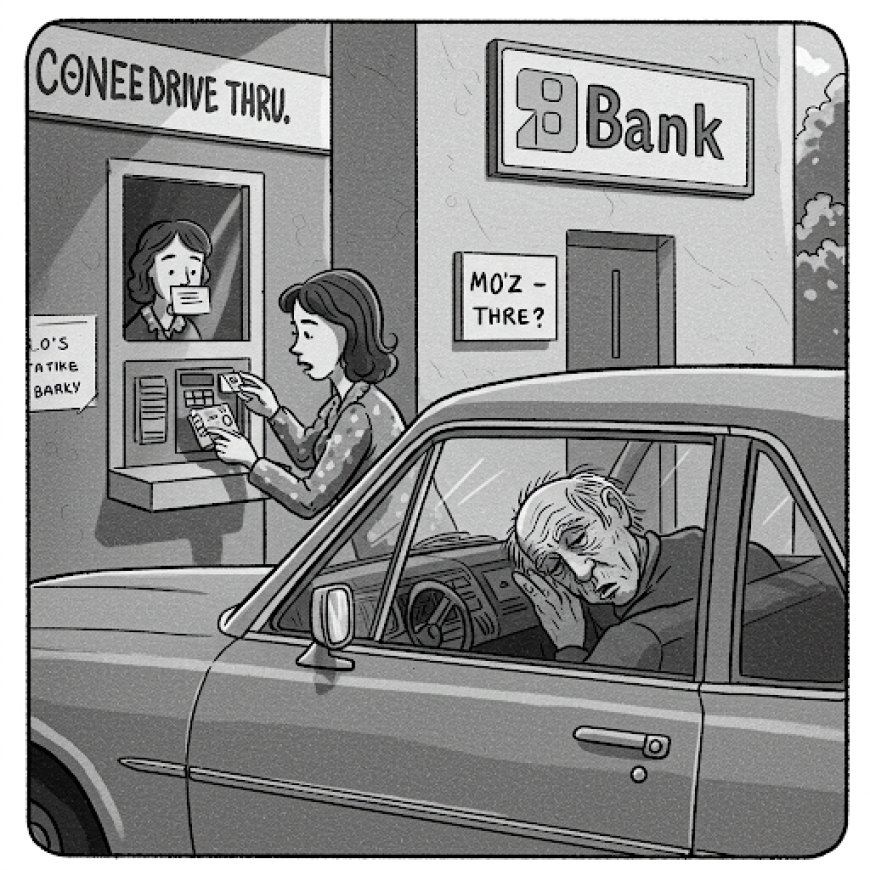
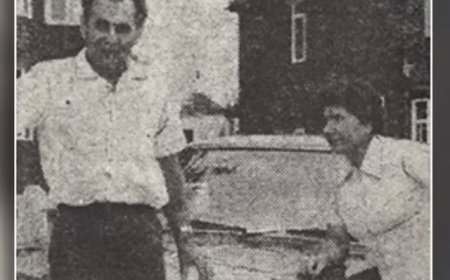
In a shocking case that blurred the lines between desperation and delusion, an incident in Ohio involving a deceased 80-year-old man has raised disturbing questions about financial fraud and the lengths to which some people will go to obtain money. The case, now dubbed "Dead Man at the Bank," involved two women who transported the corpse of a man to a local bank in an apparent attempt to withdraw funds.
The Chilling Discovery
The details surrounding the incident are unsettling. The two women, whose identities were initially withheld pending investigation, allegedly propped up the deceased man in their vehicle and drove him to a drive-through window at a local bank. Bank employees, noticing the man's unresponsive state, became suspicious and contacted authorities. Upon arrival, police confirmed the man was deceased, initiating a full investigation into the circumstances surrounding his death and the attempted bank transaction.
Investigation and Potential Charges
The investigation focused on determining the man's cause of death and whether foul play was involved. Autopsy results played a crucial role in understanding the timeline of events and whether the man was already deceased when he was transported to the bank. Furthermore, investigators scrutinized the relationship between the deceased man and the two women, seeking to understand their motives for attempting to withdraw funds using his corpse. Depending on the findings, the women could face a range of charges, including but not limited to, fraud, attempted theft, and abuse of a corpse.
Source: NBC News
Medical and Psychological Perspectives
Cases like "Dead Man at the Bank" often prompt questions about the psychological state of the perpetrators. While it's important to avoid armchair diagnoses, experts suggest that such behavior could stem from a combination of factors, including financial desperation, cognitive impairment, or a distorted understanding of morality. The individuals involved may have believed they had no other options to secure funds, leading them to make an incredibly poor and illegal decision. Furthermore, the act itself could be indicative of a deeper psychological issue or a history of manipulative behavior.
Documented Cases of Financial Necrophilia
Although the Ohio incident is particularly bizarre, it's not entirely unique in the annals of crime. While the term “financial necrophilia” is not a recognized legal or psychological term, there have been other documented cases where individuals have attempted to exploit the deceased for financial gain. These can range from forging signatures on checks to outright identity theft and fraudulent insurance claims. Often, these crimes are driven by a combination of greed and the belief that the deceased can no longer defend themselves or their assets. Each case presents unique challenges for law enforcement, requiring meticulous investigation and careful consideration of the legal and ethical implications involved.
Ethical and Legal Ramifications
The case of "Dead Man at the Bank" highlights the importance of ethical conduct in financial transactions and the need for robust safeguards to protect vulnerable individuals, both living and deceased, from financial exploitation. Banks and other financial institutions must have clear protocols for identifying and reporting suspicious activity, particularly when it involves elderly or incapacitated individuals. Furthermore, law enforcement agencies must be prepared to investigate these types of crimes thoroughly and prosecute offenders to the fullest extent of the law. The case also serves as a stark reminder of the human capacity for both desperation and deception and the need for continued vigilance in preventing financial fraud.
Key Takeaways
Reliable Sources
Protect yourself and your loved ones from financial fraud. Contact your local authorities if you suspect any suspicious activity!
Further Reading
What's Your Reaction?
 Like
0
Like
0
 Dislike
0
Dislike
0
 Love
0
Love
0
 Funny
0
Funny
0
 Angry
0
Angry
0
 Sad
0
Sad
0
 Wow
0
Wow
0